

Understanding rotator cuff related shoulder pain
A rotator cuff tear is one of the most common causes of shoulder pain. Whether you’re an athlete, someone with a physically demanding job, or simply noticing the effects of ageing, it’s worth understanding what a rotator cuff tear involves, so you can manage shoulder pain more effectively.
Shoulder pain is one of the problems we see most often at Startline Pain & Injury Clinic in Reigate, where we see people from across Reigate, Redhill and Horley. This guide covers the symptoms, causes, treatment options and what recovery may look like, and how we can help you manage a rotator cuff tear.
What is a rotator cuff tear?
The rotator cuff is a group of four muscles and their tendons: supraspinatus, infraspinatus, teres minor and subscapularis. Together they help stabilise your shoulder joint and control the movement of your arm.
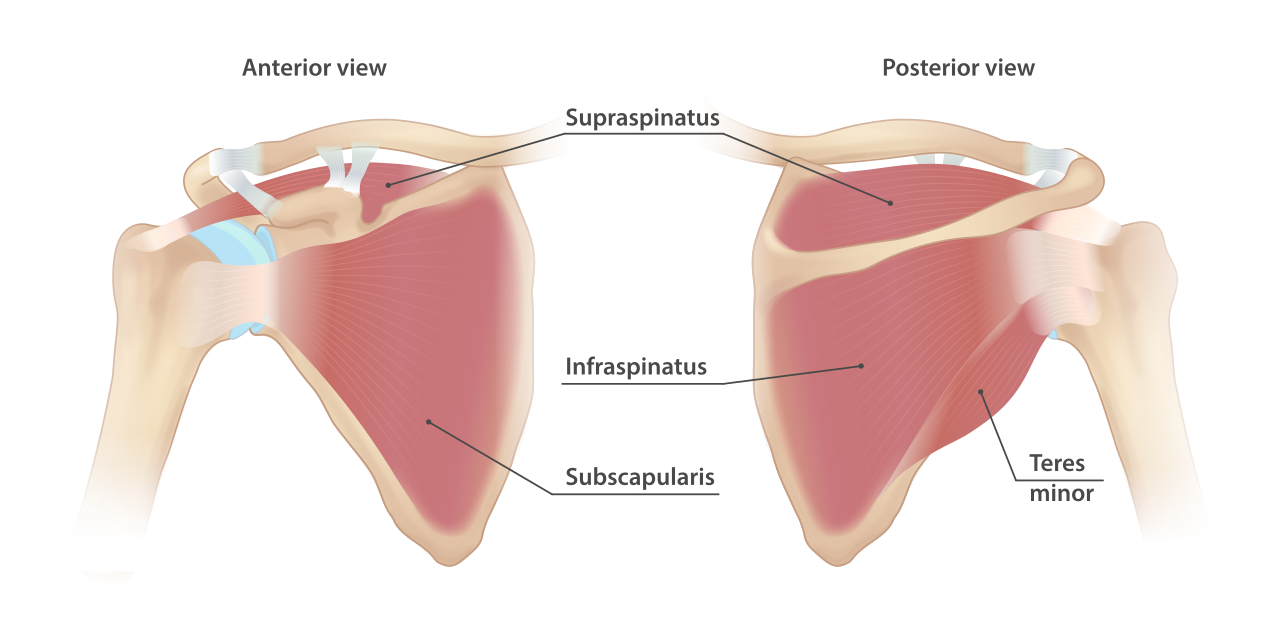

A rotator cuff tear (sometimes called a torn rotator cuff) can be partial or full-thickness. In a partial tear, the tendon is frayed or damaged but not torn all the way through. In a full-thickness (complete) tear, the tendon is torn through and may come away from the bone. A partial tear might not cause severe pain straight away. A full-thickness tear can lead to more noticeable shoulder weakness and pain.
Rotator cuff tears vs strains
A rotator cuff strain is an overstretch or minor injury to the muscle or tendon, without a significant tear. Strains and tendon irritation (often called rotator cuff tendinopathy) can cause symptoms similar to a tear. This is one reason a proper assessment is useful.
Rotator cuff tear symptoms
Common symptoms of a rotator cuff tear include:
- Persistent or sudden shoulder pain, especially when lifting your arm
- Difficulty moving your arm, particularly in certain directions such as overhead
- A feeling of weakness or instability in the shoulder
- Pain that’s worse at night, often disturbing your sleep
- A crackling or popping sensation when you move your shoulder
Not every tear is painful. Age-related tears in particular are sometimes found on scans in people with no symptoms at all.
What causes rotator cuff injuries?
Rotator cuff tears can be caused by anything from gradual, age-related changes in the tendon to sudden injuries. Repetitive overhead activities, sports such as tennis, swimming or cricket, and falls onto an outstretched arm can all lead to a rotator cuff tear or another shoulder injury. Repetitive strain from work or training can also contribute over time.
Diagnosing a rotator cuff tear
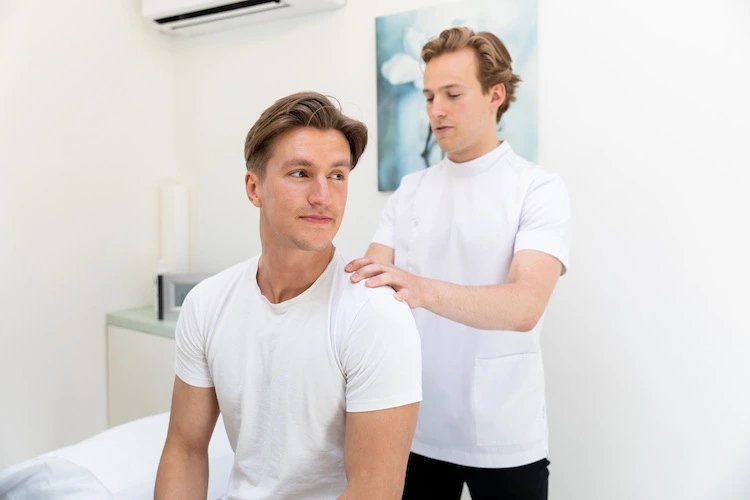
If you think you might have a rotator cuff tear, it’s important to get a proper assessment. At Startline, your Chiropractor or Osteopath will take a detailed history and examine how your shoulder moves, how strong it is and which movements are painful.
An ultrasound or MRI scan can show how extensive a tear is and tell different types of injury apart, which may help guide treatment. However, you don’t always need a scan, because many shoulder problems can be assessed clinically. We can advise whether a scan or orthopaedic referral may be useful for you, and explain how to arrange one through your GP or privately. Booking an assessment with our Chiropractor in Reigate first may save you the cost of a scan you don’t need.
Rotator cuff tear treatment options
Non-surgical treatment
Non-surgical treatment for a rotator cuff tear may include:
- Rest and activity modification: changing how you use your arm for a while, so you don’t aggravate the injury, while still keeping the shoulder gently moving.
- Manual therapy: a range of hands-on techniques that aim to ease pain and help you feel and move more comfortably.
- Rehabilitation exercises: a progressive rotator cuff exercise programme to rebuild strength, control and flexibility. This is a key part of our sports injury rehab.
- Pain relief: your GP or pharmacist can advise on painkillers or anti-inflammatory medication. In some cases, your GP or another clinician may discuss whether an injection could help.
Rotator cuff surgery
If non-surgical treatment doesn’t help enough, rotator cuff surgery may be considered. An orthopaedic surgeon will advise whether it’s suitable for you. Arthroscopic (keyhole) rotator cuff repair is often preferred because it’s less invasive, which may allow a quicker recovery. For large or massive rotator cuff tears, open surgery may be advised instead.
Rotator cuff tear recovery and rehabilitation
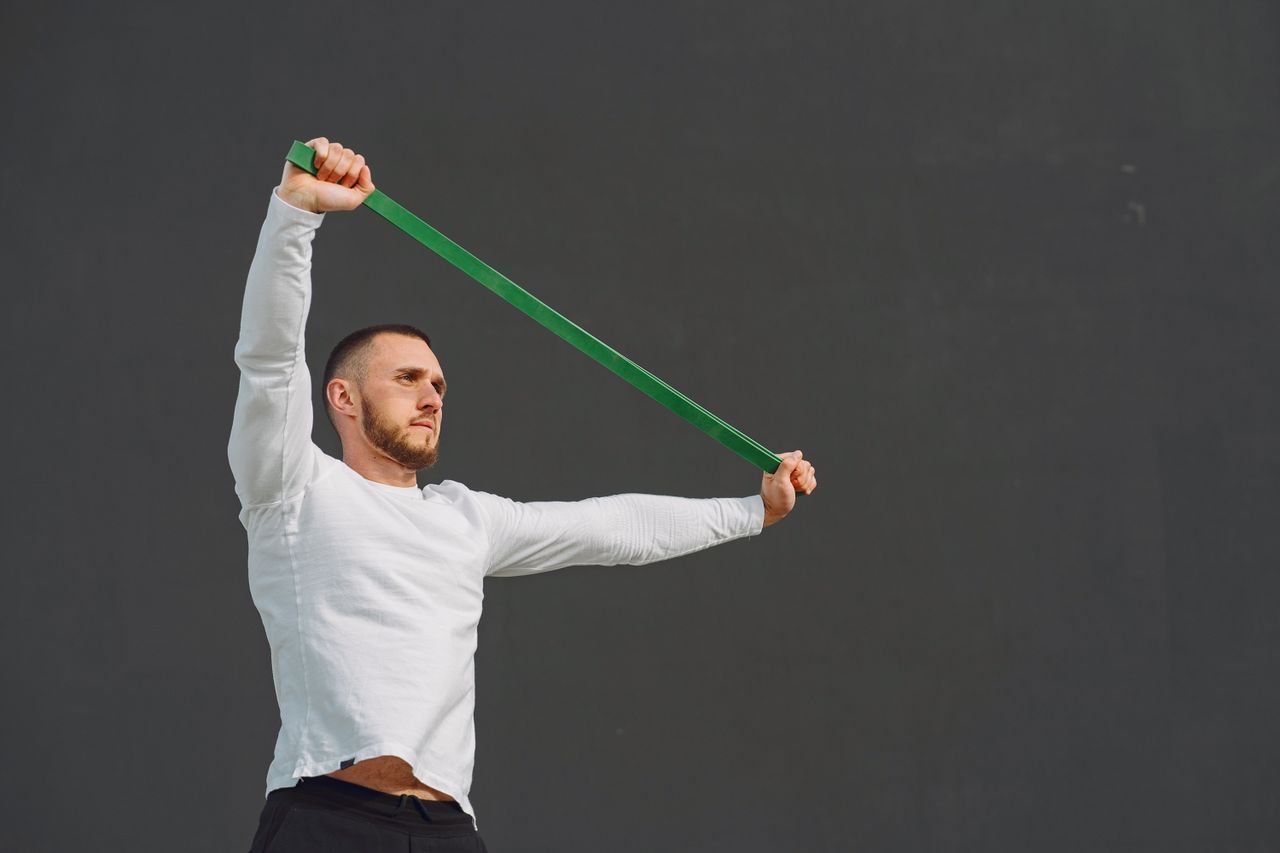
Rotator cuff tear recovery usually follows a structured rehabilitation plan, whether or not you have surgery:
- After surgery, rehab usually starts with gentle movements, following your surgical team’s protocol, to prevent stiffness.
- Exercises then progress gradually to more demanding strengthening and functional work.
- Rotator cuff tear recovery time varies. It depends on the size of the tear, whether you’ve had surgery, how consistently you follow your rehab, and the level of activity you want to get back to.
Preventing rotator cuff injuries
To reduce the risk of future rotator cuff injuries or tears:
- Understand your limits in sport and at work, and build up load gradually to avoid overuse.
- Keep yourself physically fit and strong, so you’re better able to manage more physically demanding tasks.
How we can help you manage a rotator cuff tear in Reigate
If you have a rotator cuff tear, or think you might, book in with a member of our team so that we can assess and help you manage your rotator cuff tear. Your care may include:
- an assessment to understand how your shoulder is moving and what’s likely to be causing your pain
- hands-on care, including soft tissue work, and acupuncture, to ease pain and help you move more comfortably
- a progressive rehab programme to rebuild strength and control, adjusted as you improve
- advice on work, sport and day-to-day activity, so you can keep moving without aggravating the tear
- referral for a scan or an orthopaedic opinion if it’s needed, and help with rehab if you go on to have surgery
If your shoulder pain is linked to a problem in your neck or upper back, Joss Barratt, our Osteopath in Reigate, can also help. Getting the right advice early can make your recovery easier to plan.
If you’re not sure who to see, give us a call and we’ll help you decide.
So don’t dwell on it any longer. Book online, call us on 01737 420216 or email reception@startlineclinic.com.
Visit The Pain Clinic page to find out more about our approach to persistent pain.
Startline Pain & Injury Clinic provides osteopathy and McTimoney chiropractic to Reigate, Redhill, Horley, Dorking, Merstham and the surrounding areas. Meet our team, or find us at 1B Bancroft Road, Reigate RH2 7RP, opposite Wagamama. Directions and parking are on our contact page.
Rotator cuff tear FAQs
Can a rotator cuff tear heal without surgery?
Many people with rotator cuff tears, especially partial or age-related tears, do well with non-surgical care such as activity modification and a progressive exercise programme. A torn tendon may not fully repair itself, but pain and function often improve. If your symptoms don’t settle, or you’ve had a significant injury with sudden weakness, an orthopaedic opinion may be recommended.
Do I need an MRI scan for a rotator cuff tear?
Not always. Many rotator cuff problems can be assessed clinically. A scan may be useful if your symptoms aren’t improving, if surgery is being considered, or if there are signs of a significant tear. We can advise whether a scan or orthopaedic referral may be useful for you.
Can a Chiropractor help with a rotator cuff tear?
Yes. At Startline, Mia, our McTimoney Chiropractor, can assess your shoulder and help you manage a rotator cuff tear with hands-on care, rehab exercises and advice, and refer you on if you need further investigation.
Can an Osteopath help with shoulder pain?
Yes, osteopaths can assess and diagnose rotator cuff tears, and we can build out a management plan to help guide your recovery back to your sport or activity.
Do I need a GP referral to see an Osteopath or Chiropractor?
No. You can book directly with Joss or Mia at Startline. If you’re claiming on private health insurance, check with your insurer first, because some ask for a GP referral.
About the author: Joss Barratt is an Osteopath and the clinic director at Startline Pain & Injury Clinic in Reigate. He graduated from the University College of Osteopathy in 2019 with a master’s in osteopathy (M.Ost) and completed a PG Cert in specialist paediatric osteopathic practice in 2020. He has around seven years’ experience in private musculoskeletal practice, and previously worked as a Band 6 Senior Osteopath at the NHS Horsham MSK Unit.